Members Hub
Members Hub
Welcome to the AKS Member Hub!
Join the UK Construction Industry
Unlock New Learning
Advanced P6 | NEC Contracts | Claims | EVM
Free Sign Up - Become a Member
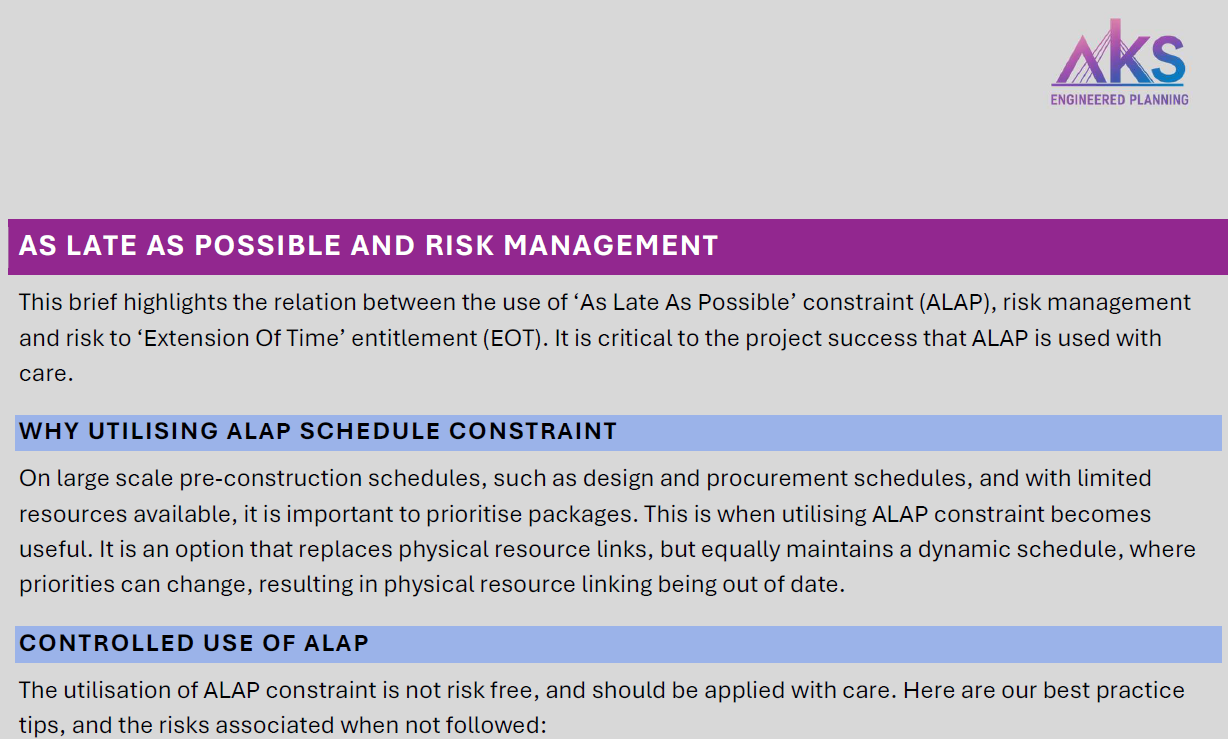
‘As Late As Possible’ and Schedule Risk Management
‘As Late As Possible’ constraint, can be useful to prioritise workloads, but it can also result in a huge risk to the schedule:
Risk to EOT entitlement, programme acceptance, ‘no recovery’ situation, inconsistent reporting and lack of schedule betterment opportunity.
Free PDF download.
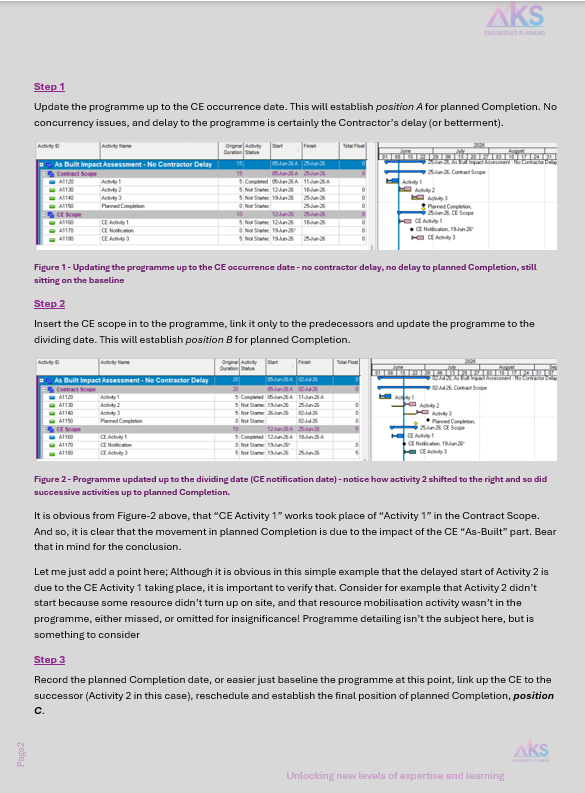
NEC4 2019 - Practical Guide to Assessing CE Time Impact
Does the current understanding fall short of what it really takes to unpack CL63.5? Is assessing an impact of a CE under NEC4 2019 63.5, is as simple as updating the current Accepted Programme up to the dividing date (the date the CE is notified), establish planned Completion (position A), then insert the CE and establish planned Completion (position B)? Is the entitlement the variance between both positions?
Well, there is more to the clause than just that.
Download the PDF for free!
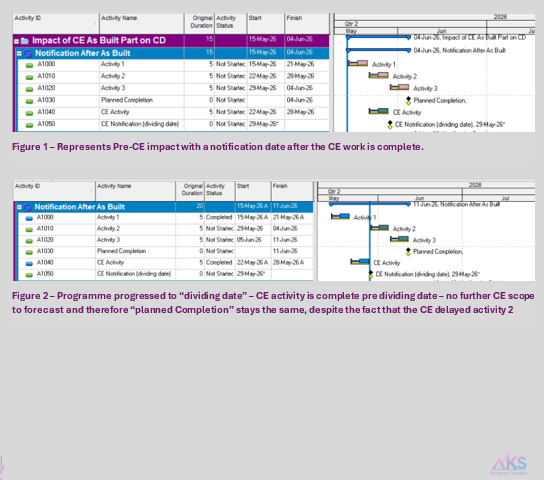
NEC4 2019 - CL63.5 dividing date
Does the as built part of a CE pre the dividing date has an impact on entitlement? Is updating the programme to the dividing date allow assessing the full impact of the CE in all scenarios?
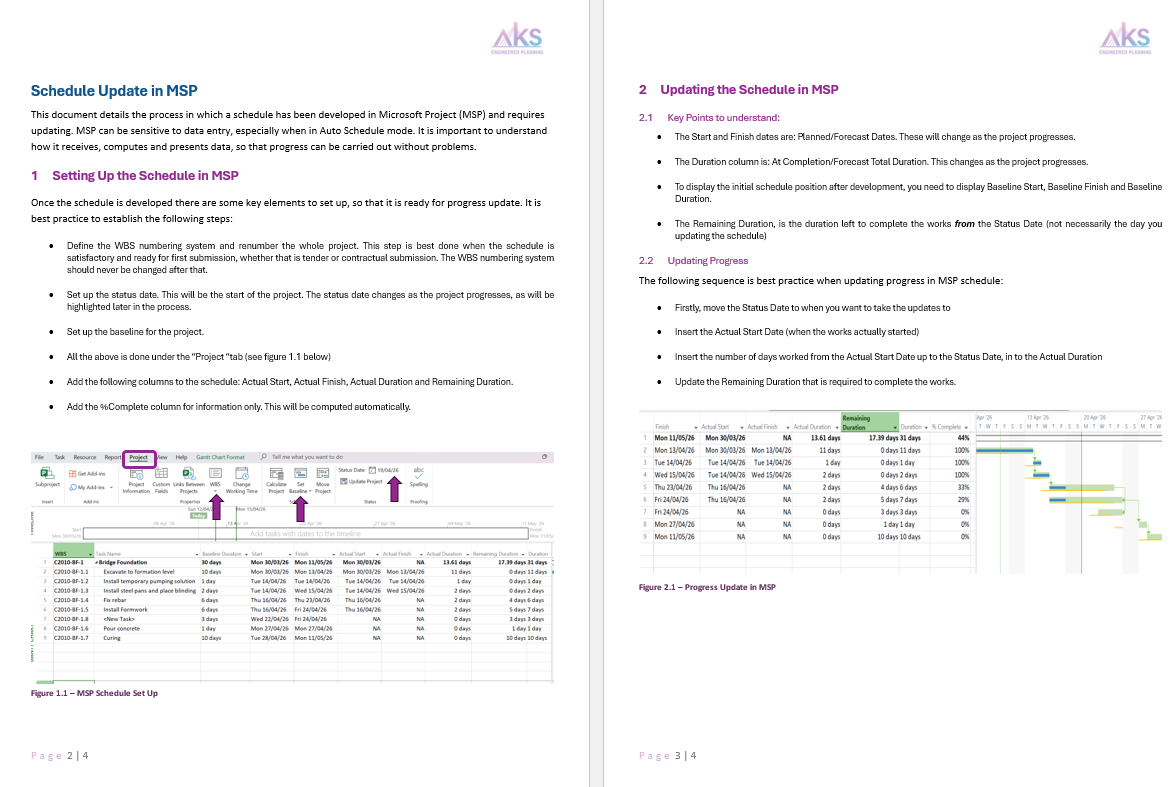
Updating Progress in MSP
This brief is not just for planners, but for the wider users of Microsoft Project as a scheduling tool. Many project managers/Site Manager/Agents/Engineers don’t have access to P6, and so MSP is usually the software available. My recommendation has always been to use actuals when updating the schedule. Read the full process here to achieve best practice and outcome.
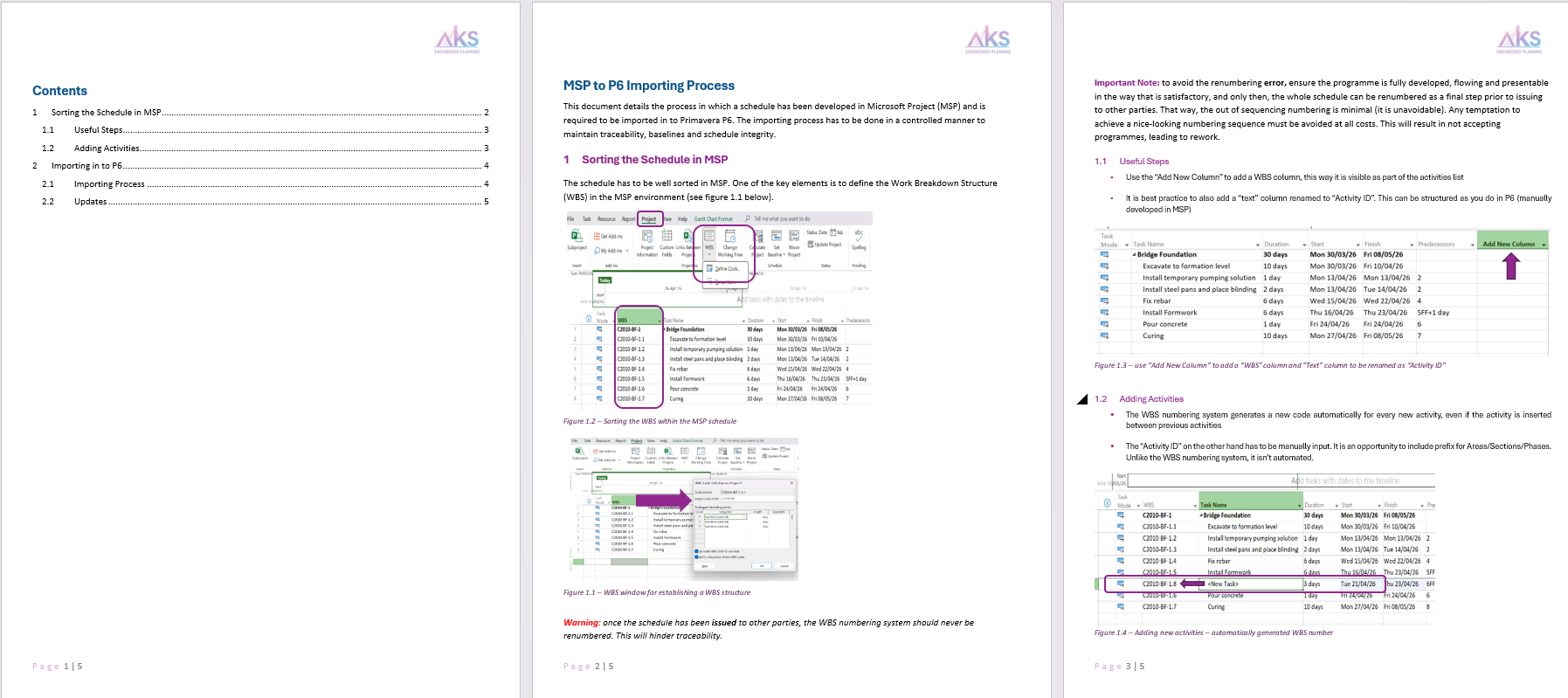
Importing MSP Schedules in to P6
So you mainly use Primavera P6 as the scheduling software, but then sometimes you get schedules in Microsoft Project and it needs to be imported in to P6 for a more streamlined utilisation and integration with the rest of the project schedules. The importing process has to be done in a controlled manner to maintain traceability, so here is the process,
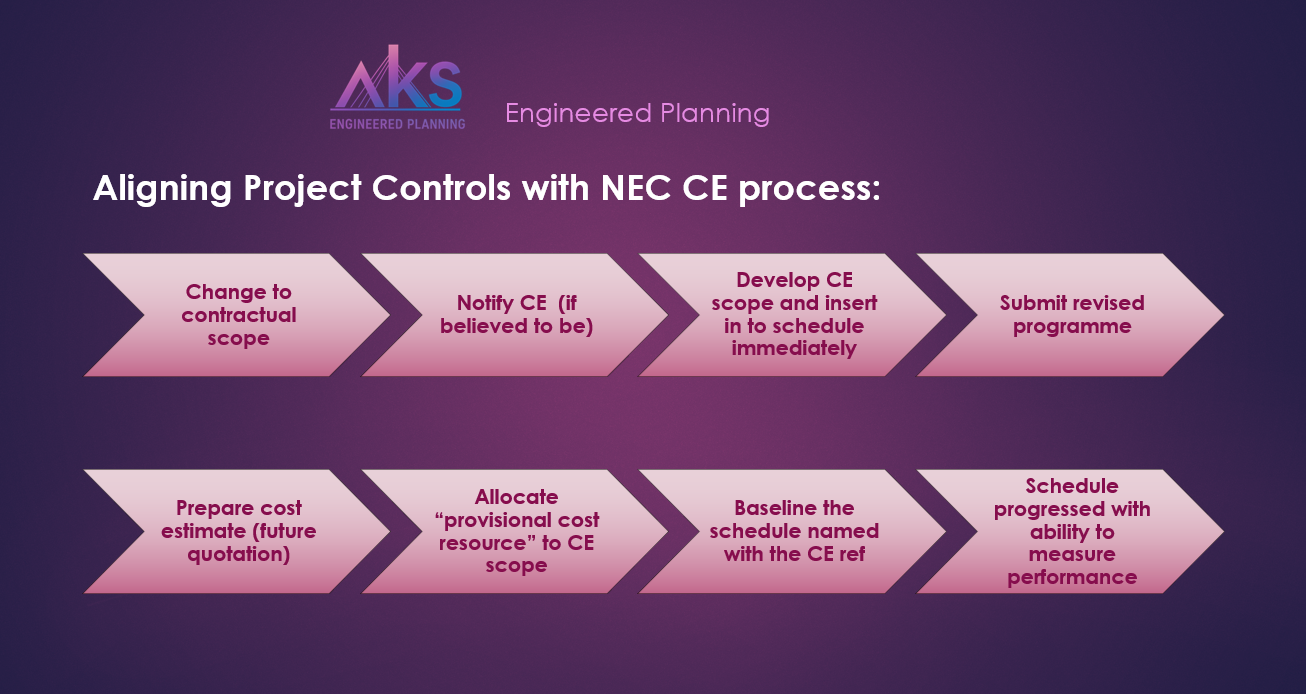
Earned Value Performance Under NEC
You make the effort and cost load the programme to measure performance through Earned Value Management, then a pile of CEs arise, which require adding to the schedule, but, they aren’t yet implemented, no cost attached! Does performance monitoring stop?
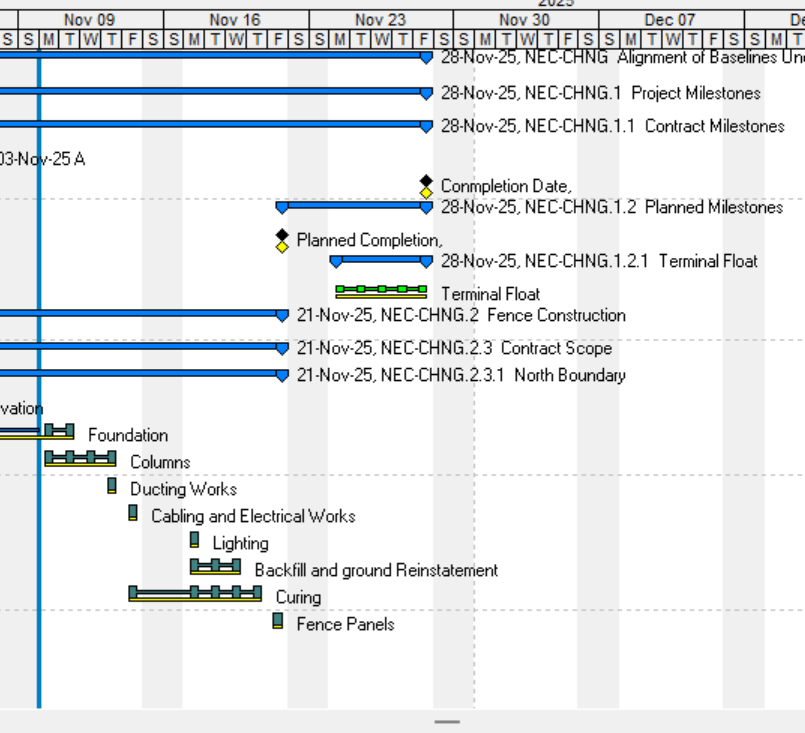
Managing the Terminal Float bar
Terminal float is a term widely used to describe the float between planned Completion and Completion Date under NEC (not an NEC term though). In this brief, I will discuss the ways of managing terminal float representation within the schedule in different scenarios.

The Chaos of Baselines - NEC & Performance Aligned Framework
This framework introduces a single evolving baseline that integrates provisional CE scope (time and cost) upon notification (time) and quotation (cost) without waiting on implementation. It enables real-time earned value tracking, provides forecast clarity, and supports entitlement without corrupting contractual integrity.
Back to basics
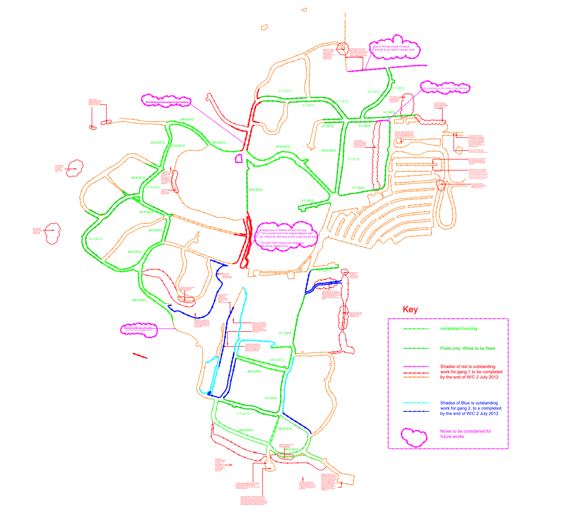
Whether it is a simple package or a complex project, implementing basics and first principals remain mandatory. That way, consistency in approach and results is maintained.
In this brief paper, I will share a case study where some would consider the task in hand simple, and I would agree. The basics however, remain the same.
The Chaos and Misalignment of Baselines - Part 1
This brief highlights why we need a framework to manage what is known as programmes baselines. It seems that everyone has a different idea of what a baseline is, and they may all have a point. So, let’s explore the following:
Ø Baseline Stakeholders
Ø The different Baselines
Ø The misalignment of Baselines
Ø A Baseline Framework (misalignment management) – Part 2
That way, hopefully, “Managing Baselines” may have a meaning to it, more like “Managing Baselines Misalignment”.
Procurement Programme
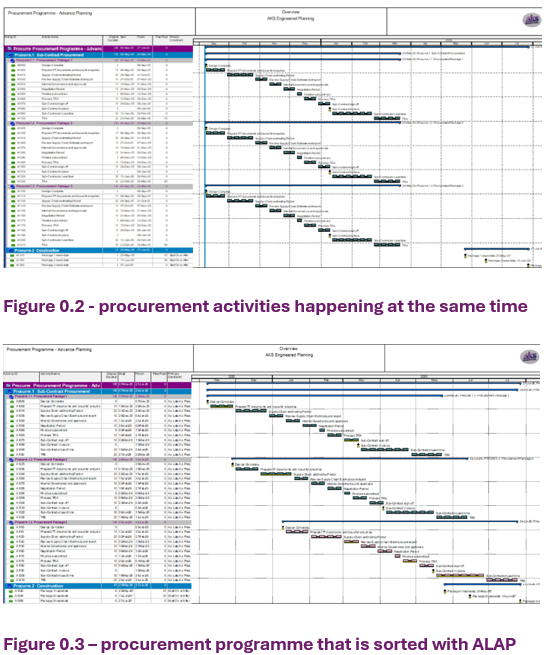
Why prioritise packages
Well, for the obvious reason, you have a small procurement team and a lot of packages to procure. Prioritising packages, so that every package is delivered just on time will help resourcing.
There is a trick though, because you don’t want to end up running out of time when the package is required. This is when advanced planning comes in to place.
A Winning Programme
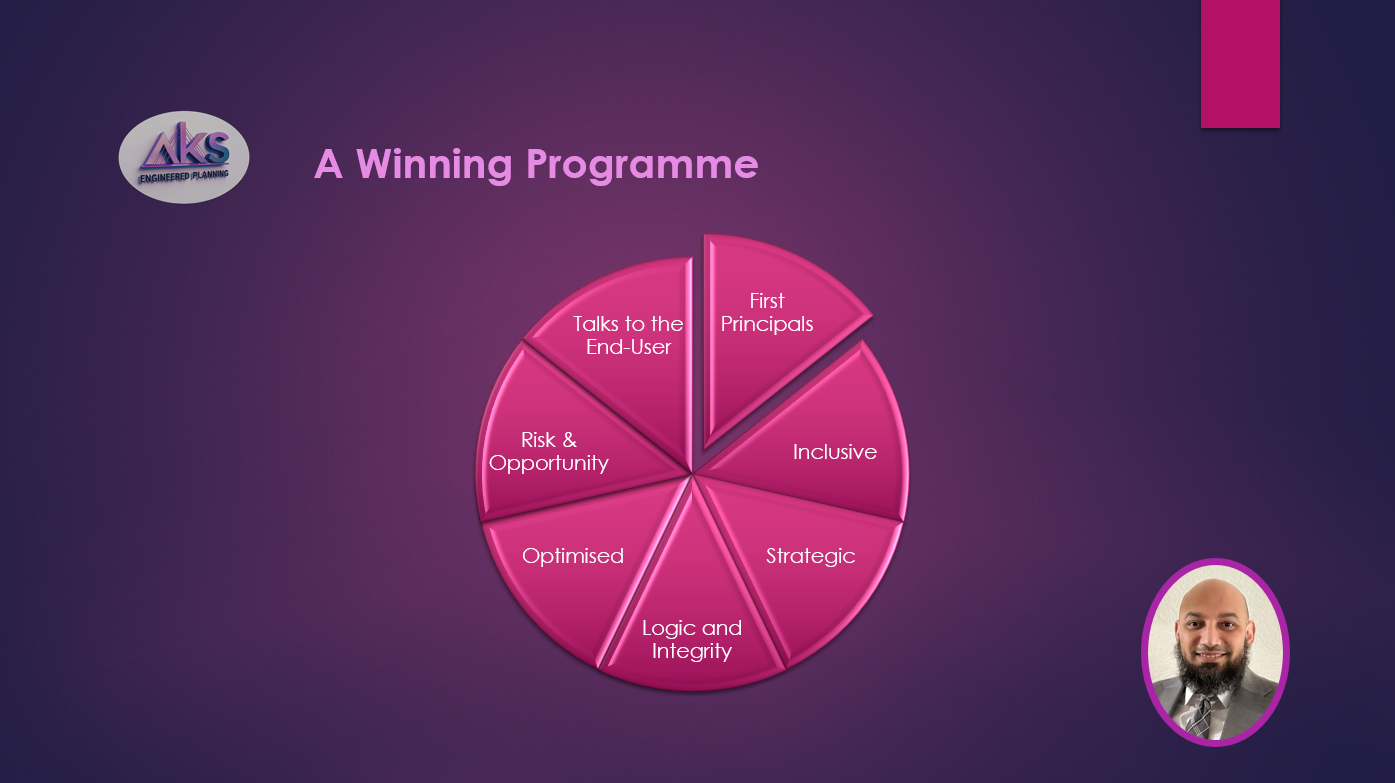
“A winning programme doesn’t just win the bid, it sets up the delivery team for success”, and so this paper highlights the key components of a winning programme.
It all starts at tender, where the quality of the submission really matters. A quality programme instils confidence and delivers a compelling message to win the works. It is also ready for delivery and invites the project team to adhere to it and deliver the tender strategy.
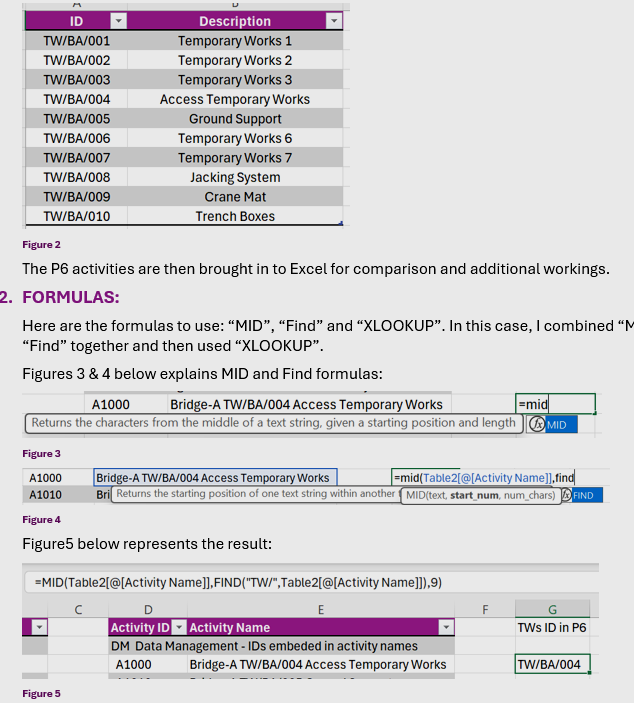
Data Management
Creating efficiencies require out of the box thinking, and when it comes to data management, there are no boundaries,
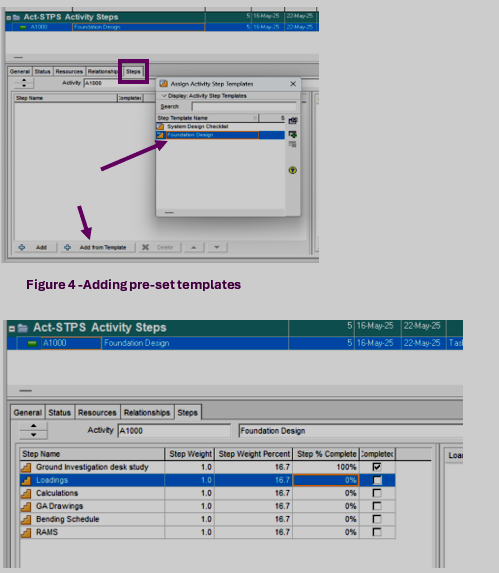
Activity Steps
If schedule management efficiencies, compact schedules and detailed updates are your goals, then here is a way to that will get you there,
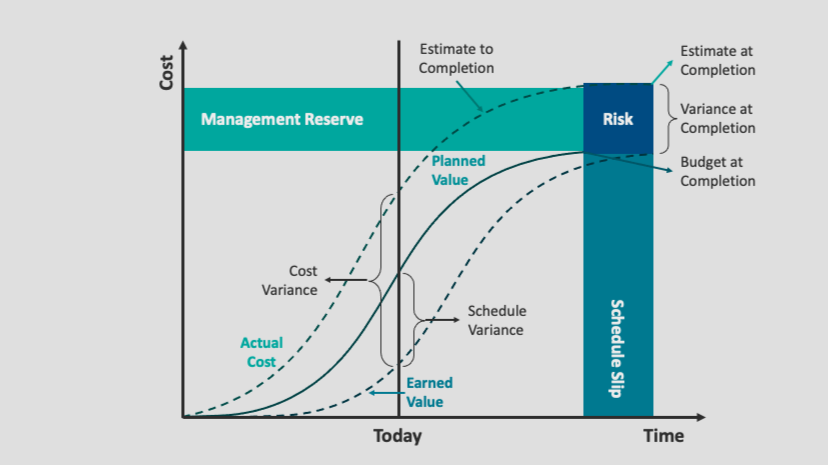
Earned Value Terminologies
Understanding Earned Value terminologies is important to avoid mixing value and cost,
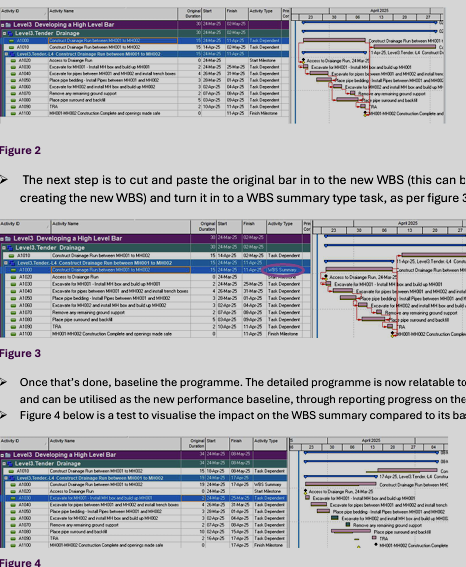
Developing High Level Bars
So you inherit a tender programme that has high level bars and there is a need to break this further, here is how to do it in a controlled environment,